Why do I need: Guaranteed Asset Protection (GAP)
Why is GAP important?
It is important because if your vehicle is ever totaled, your regular insurance may not cover the full amount you still owe on your loan. GAP protection can fill that gap, ensuring you won't be left paying out of pocket for a car you can no longer drive, giving you peace of mind and financial security.
Put yourself in this scenario...
Imagine you just bought a brand-new SUV for $35,000 with a loan. After a few months, you unfortunately get into a serious accident, and the vehicle is declared a total loss.
The insurance company calculates the actual cash value (ACV) of the SUV at the time of the accident as $30,000—because cars depreciate quickly.
You still owe $33,000 on your auto loan.
That leaves a $3,000 gap between what your insurance pays and what you owe on the loan.
Without GAP insurance:
You would have to pay the $3,000 out of pocket to fully satisfy the loan.
With GAP insurance:
GAP covers that difference, paying the $3,000 directly to the lender.
You are protected from financial strain and don't have to worry about paying for a car you no longer have.
Real Stories | In 60 seconds or less
Learn how this member had their remaining balance completely covered after their total loss.

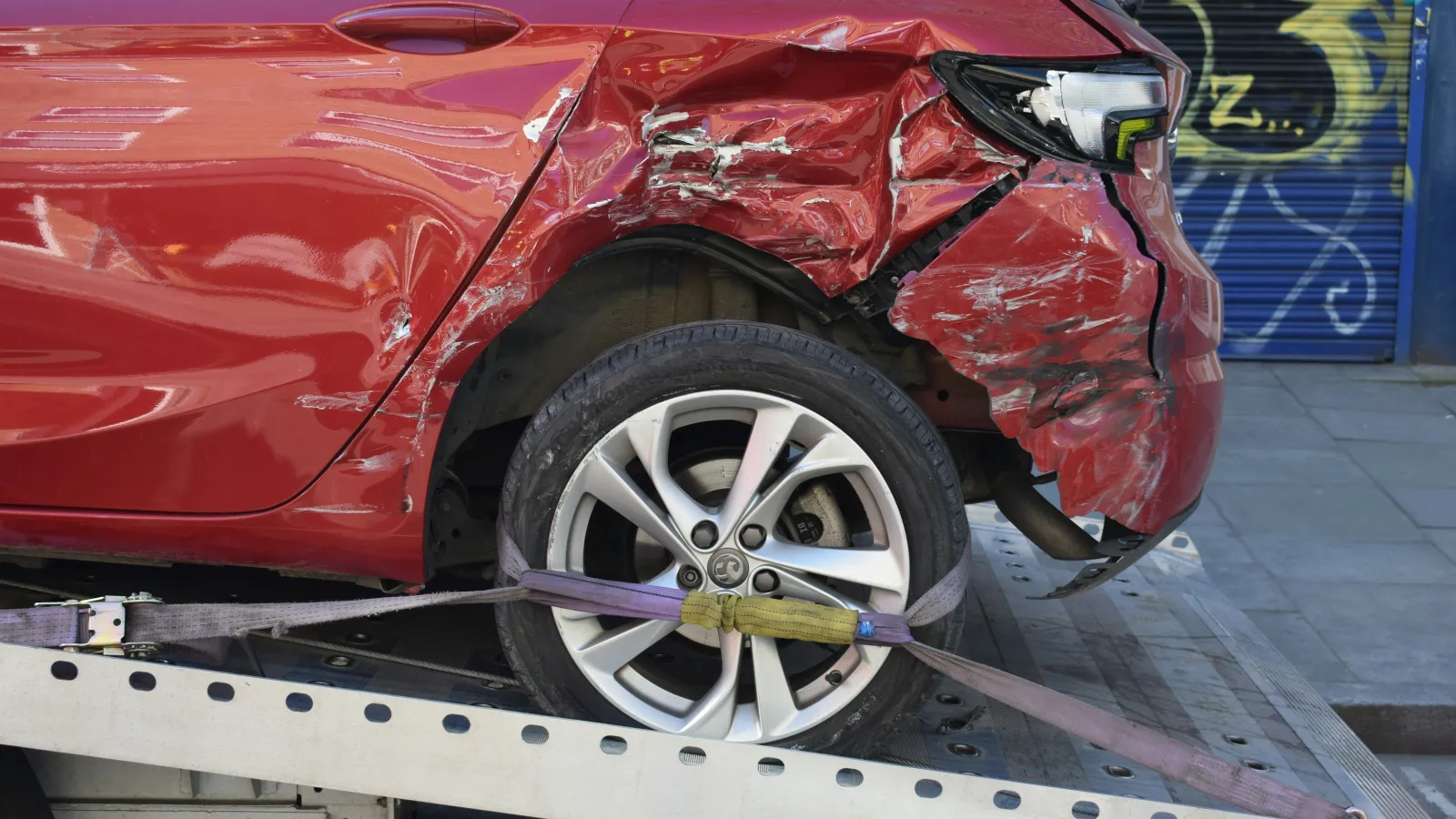
Just Remember: Your Auto Insurance Does Not Cover Everything
Car insurance will cover the cost of damages and a stolen car but your auto loan could be higher than the cash value of your car. Guaranteed Asset Protection (GAP) can help you cover the difference between what the insurance company pays out and what you still owe on the loan.
What
is Guaranteed Asset Protection?
GAP is a voluntary, non-insurance product designed to waive the remaining loan balance not covered by the borrower's primary insurance carrier settlement in the event of a total loss or unrecovered theft, subject to limitations and exclusions, including but not limited to 150% loan-to-value (LTV) maximum, delinquent payments, late charges, refundable service warranty contracts and other insurance-related charges.
How
does GAP work?
The actual cash value of your vehicle as determined by your
primary insurance carrier could be less than the actual balance you owe on your
loan. In the event of a total loss or theft, GAP waives the difference between
your outstanding loan balance and the actual cash value (ACV) of the vehicle up
to the maximum 150% LTV. GAP may also cover up to $1,000 of your deductible if
there is a "gap" after the primary insurance settlement is paid*.
Frequently asked questions about GAP
What is Guaranteed Asset Protection (GAP)?
GAP is a voluntary, non-insurance product designed to waive the remaining loan balance not covered by the borrower's primary insurance carrier settlement in the event of a total loss or unrecovered theft, subject to limitations and exclusions, including but not limited to 150% loan to value (LTV) maximum, delinquent payments, late charges, refundable service warranty contracts and other insurance-related charges.
What does GAP cover?
GAP covers the difference between the borrower's outstanding loan balance and the actual cash value (ACV) of the vehicle up to the maximum 150% LTV.
GAP may also cover up to $1,000.00 of the borrower's deductible if there is a "gap" after the primary insurance settlement is paid.*
What Do I need to File a Gap claim?
To file a claim, you will need the following items:
- Finance Contract - Copy of original
- Signed GAP waiver addendum - all pages
- Payment history record - complete record
- Dealer bill of sale - if vehicle purchased from dealer
- Auto physical damage worksheet and check
- Original appraisal and color photos from primary insurance claims adjuster
- Police report OR cause of loss letter
- Mechanical Breakdown Protection (MBP) or service contract refund, if applicable
Still have questions? Read our GAP Frequently Asked Questions.
*The deductible is covered as part of the deficiency balance settlement. It is not paid directly to the borrower. Not available in NY or AK.