Fraud Awareness
Report lost or stolen cards, fraud, and other issues quickly with Coosa Valley Credit Union. Learn about common fraud schemes and report suspicious activity on your account.
Fraud Can Target Anyone
Whether you want to become more familiar with fraud or you have become a victim of fraud, the steps you take can affect how big of an impact that fraud has on you!
We've observed an uptick in phishing scams targeting our credit union members. These fraudulent attempts often come in the form of text messages that seek to compromise your account security. We want to ensure that you stay informed and vigilant so that your financial information remains safe. Click here to read more about these text scams.

Information Security Tips
With the ever-growing amount of data, who possesses "your data", and where "your" data exists, the potential of data breaches increases drastically. Typically in any breach, the following steps need to be performed on any website/software which may directly (or possibly indirectly) be related to the potential breach.
- Be extremely cautious of any emails, calls, or any type of communication/solicitation. When in doubt, don't click; send your own email or make your own call directly to the entity in question (and through their dedicated channels/means).
- Change all passwords and security questions. Document your changes.
- Setup dual-factor authentication. This ensures that two separate forms of authentication are used to access the site in question (Example: password and security code sent to phone).
- Verify contact information and any additional information.
- Review your credit reports to ensure no unexpected items are present or for any erroneous items. All three credit bureaus will need to be reviewed (Equifax, TransUnion, and Experian). Remember to check children's credit files periodically as well.
- Consider putting a credit freeze (also called a security freeze) on your credit reports. When frozen, your credit report is blocked from being shared with potential new creditors (if a creditor cannot get a credit report, they will most likely not open a new line of credit).
- Frequently review your financial statements (bank accounts, Paypal, online services, credit cards, etc) to ensure all transactions are valid. If fraudulent transactions are found, dispute and consider closing the account. Dispute all fraudulent transactions as soon as possible.
- Consider ongoing credit monitoring services to minimize future incidents, fraudulent transactions, and their potential impacts.
- Stay vigilant in regards to your information security!
- Repeat all of the above when needed and with some frequency.
Remember, each potential breach is different and may require the order of the steps to change. They are all important and should be treated as such.

Check Scam/Fraud
Check fraud has become an increasing problem that continues to target individuals on a daily basis. With modern technology, a criminal can create, realistic & believable yet counterfeit, personal checks/business checks/Cashier's Checks/Money Orders to defraud people from their hard earned money.
Many check fraud scams will come in the form of:
- A sweepstakes that you supposedly won.
- A person in a foreign country needing help.
- A work from home offer that is too good to be true.
- A request for an advance of money in return for a promise of a larger sum.
- Stolen checks (or checks being used without your permission) being fraudulently endorsed and/or used.
- Sadly, no matter what the pitch the scammed reader is always the victim. Knowledge is power, don't get scammed!
Always remember that Coosa Valley Credit Union will never solicit your personal information via email, phone call, text messages or social media.
How to reduce the risk of Check Fraud?
Protecting yourself from check and payment scams starts with staying cautious and verifying everything. Be wary of unexpected checks, especially if you're asked to deposit them and send money back—this is a common scam tactic. Never share your banking details with unknown individuals, and avoid accepting overpayments or requests to wire money or send gift cards. Always confirm the legitimacy of payments and requests directly with the source. Regularly monitor your account for unusual activity, and report anything suspicious right away—acting quickly can help prevent further loss.

Identity Theft/Fraud
Take these steps to help recover or minimize the effects of Identity Theft/Fraud. Although these are not all inclusive, they do provide a good starting point on the road to recovery.
- Notify your bank(s)/credit union(s). CVCU Locations
- Close or Transfer from compromised account to new account(s). Be sure to redirect any of your automated payments
- Close any credit/debit cards affected and have new one issued.
- Change usernames and passwords of any affected account from a known trusted computer.
- Request all fraudulent accounts be closed.
- Put a "Fraud Alert" on your credit report.
- Obtain and review your credit report (disputing any unauthorized activity).
- File a police report.
- File a report with the Federal Trade Commission.
- Monitor your account(s) and credit for potential future problems.
How to reduce the risk of Identity Theft?
Reducing the risk of identity fraud starts with staying proactive and aware. Protect your personal information by using strong, unique passwords and enabling two-factor authentication whenever possible. Be cautious about sharing sensitive details online or over the phone, especially if the request is unexpected. Regularly monitor your bank accounts and credit reports for any unusual activity, and consider setting up alerts to catch suspicious transactions early. Lastly, securely store important documents and shred anything containing personal information before disposing of it—small habits like these can make a big difference in keeping your identity safe.
Government Resources
Government Resource Links provided to assist with the handling of Identity Theft:
- consumer.georgia.gov provides useful information related to identity theft
Credit Reporting
Credit Reporting Resources provided to assist with the handling of fraudulent activity:
- Equifax, Experian and Trans Union are the top 3 credit bureaus and are the best resources to check your credit report & credit score ratings

Credit Card Fraud
Credit Card Fraud | Take these steps to help recover or minimize the effects of Credit Card Fraud. Although these are not all inclusive, they do provide a good starting point on the road to recovery.
- Notify your bank(s)/credit union(s) who hold the card that was compromised.
- Close or Transfer from any compromised credit/debit card affected and have new one issued.
- Change usernames, passwords, and PIN of any affected card from a known trusted computer.
- Obtain and review your credit report (disputing any unauthorized activity).
- File a police report.
- Monitor your account(s) and credit for potential future problems. .
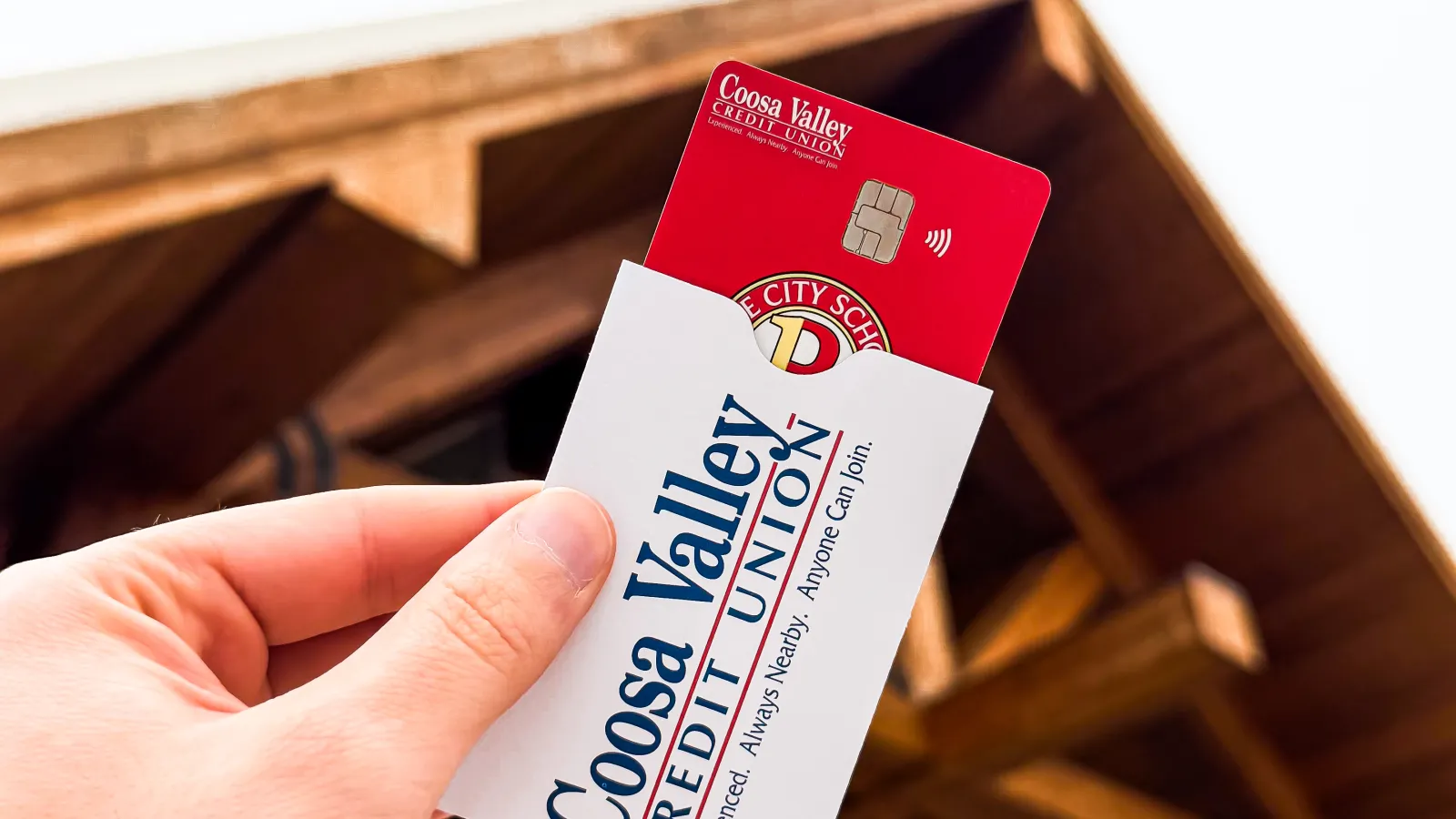
Debit Card Fraud
Take these steps to help recover or minimize the effects of Debit/MasterCard Card Fraud. Although these are not all inclusive, they do provide a good starting point on the road to recovery.
- Notify your bank(s)/credit union(s) who hold the card that was compromised. For Coosa Valley Credit Union members, call 1-888-297-3416 to report your compromised debit card(s).
- Close or Transfer from any compromised credit/debit card affected and have new one issued.
- Change usernames, passwords, and PIN of any affected card from a known trusted computer.
- Obtain and review your credit report (disputing any unauthorized activity).
- File a police report.
- Monitor your account(s) and credit for potential future problems.
How to reduce the risk of Credit Card/Debit Fraud?
- Make sure we have your up to date phone numbers. Our fraud department will call the number we have on file, in an attempt to verify charges that may seem out of your norm.
- Keep a close eye on your account and attempt to resolve any erroneous charges with the merchant first.
- Don't fall for phishing attempts online - such as "free gift or a prize you won" but you have to cover shipping costs and must enter your debit card number to receive the items.
- Never give personal information over the phone, no matter what.
- Destroy old receipts/statements or even old cards; it is possible that crooks can get access through your trash.
- Try to never let your card leave your sight. When at a restaurant, choose to pay at the table or with the front clerk when possible.
- When possible, try only to use ATMs at a bank or credit union, and avoid locations like gas stations or convenience stores.
- Always check for skimmers. If the ATM looks questionable, don't use it.
- Only buy online from well known, reputable businesses or websites.
- Make sure your personal computers or tablets have an updated antivirus software.

Phishing Scam/Fraud
Take these steps to help recover or minimize the effects of a Phishing Scam/Fraud. Although these are not all inclusive, they do provide a good starting point on the road to recovery.
- Do NOT provide any additional information to the phishing sender/site.
- Notify your bank(s)/credit union(s) of what was received and what pertinent information has been given out. For Coosa Valley Credit Union members, call one of our branch locations nearest you to report/dispute your Phishing Scam.
- Review information given out and contact any additional financial institutions if needed.
- Close or Transfer from any compromised credit/debit card affected and have new reissued.
- Change usernames, passwords, and PIN of any affected card from a known trusted computer.
- Obtain and review your credit report (disputing any unauthorized activity).
- File a police report.
- Monitor your account(s) and credit for potential future problems.
How to reduce the risk of Phishing/Scam Fraud?
Protecting yourself from phishing and scam fraud starts with slowing down and staying alert. Be cautious of unexpected emails, texts, or calls that create urgency or ask for personal information—scammers often try to pressure quick decisions. Always verify the source by contacting the company directly through official channels, not the links or numbers provided in the message. Avoid clicking on suspicious links or downloading unknown attachments, and look closely for misspellings or unusual email addresses. When in doubt, don't engage—taking a moment to double-check can help you avoid costly mistakes.

Internet Malware
In case of suspected compromise via Internet Malware/Fraud, take these steps to help recover or minimize the fraud.
- Change usernames, passwords, PIN, etc. (of any potential site or card affected) from a known trusted computer. For Coosa Valley Credit Union members, call one of our branch locations nearest you to aid in your password & PIN changes.
- Clean infected computer with Anti-Virus and Anti-Malware OR take to a reputable computer technician to have the infected computer cleaned.
- Obtain and review your credit report (disputing any unauthorized activity).
- Review account(s) for suspicious/fraudulent activity
How to reduce the risk of Internet Malware?
Protecting yourself from internet malware starts with smart, everyday habits. Keep your devices and software updated to ensure you have the latest security patches. Only download apps or files from trusted sources, and avoid clicking on pop-ups or unfamiliar links. Install reputable antivirus software and run regular scans to catch threats early. Be cautious when using public Wi-Fi, and consider using a secure connection or VPN. A little vigilance goes a long way in keeping your devices—and your personal information—safe.

SIM Swapping
What are SIM swapping scams? Read below.
- Unauthorized SIM (Subscriber Identity Module) changes happen when a customer's phone number is transferred to a different SIM card.
- Fraudsters often collect personal information about their target through phishing, social media, or other online sources.
- The fraudster then contacts the victim's mobile provider while pretending to be the victim.
- They convince the mobile provider to transfer the victim's phone number to a new SIM card.
- Once the SIM is swapped, the attacker can receive calls and texts meant for the victim.
- This can include security codes, authentication messages, and password reset links.
- With access to those messages, the fraudster may be able to access online accounts, reset passwords, and steal financial information.
How to reduce the risk of SIM swapping scams?
To reduce the risk of SIM swapping scams, avoid using text message codes for account security whenever possible and choose more secure options like an authenticator app, Face ID, fingerprint recognition, or another form of multi-factor authentication. Use strong, unique passwords for each account and be careful about phishing texts, emails, or phone calls that ask for personal information.
You can also protect yourself by contacting your mobile carrier and asking about SIM locks, number locks, or port-out protection. Be cautious about how much personal information you share online, since scammers may use those details to impersonate you. Review account alerts regularly, report suspicious activity quickly, and use extra verification before making changes to phone numbers, addresses, or account information. For added protection, consider freezing your credit to help prevent fraudulent loans or new accounts from being opened in your name.
Other Useful Resources
External Resources provided to assist with the handling of fraudulent activity:
- Federal Trade Commission -This site gives a step by step on how to report fraud on your credit report. There is also a link to get a Free Credit Report and telephone numbers for the top three credit bureaus.
- Federal Trade Commission Video Learning Library - Browse through videos on a variety of topics including fraud, identity theft, credit reporting and phishing.
- mycreditunion.gov provides useful information related to fraud and scams
- irs.gov provides additional help and resources related to fraud, identity theft, and phishing
Do you have fraud on your account?
If you notice any signs of fraud on your account, please contact us or visit your nearest Coosa Valley Credit Union branch as soon as possible. Acting quickly allows us to secure your account, prevent further unauthorized activity, and help protect your financial well-being.